Dr Seher Mughal is a UK-based doctor, trained life coach and content creator with a particular interest in lifestyle medicine and women’s health. She is passionate about translating evidence-based medicine into clear, practical advice that helps people make realistic, sustainable changes to improve their long-term health.
Scroll through social media, and you’ll quickly come across bold claims about blood sugar and insulin – that insulin is the real cause of weight gain, that certain foods ‘spike’ your glucose and automatically lead to fat storage, or that managing blood sugar matters more than calories. But how much of this is actually true?
To cut through the confusion, we asked Dr Mughal to explain what insulin really does, what’s been oversimplified online, and what genuinely matters when it comes to sustainable fat loss.
What is insulin – and what does it actually do?
“Insulin is a hormone produced by the pancreas, a gland that sits just behind the stomach,” explains Dr Mughal. “It’s released when blood glucose levels rise, particularly after eating.”
Its main role is to keep blood glucose within a safe range. “It does this by helping move glucose from the bloodstream into cells, where it can be used for energy,” she says. “It also helps store excess glucose in the liver and muscles for later use, and reduces glucose production by the liver when there’s already enough in circulation.”
Insulin also plays a role beyond blood sugar alone. “It temporarily reduces fat breakdown after meals, and supports protein metabolism – helping the body build and repair tissue and limiting excessive protein breakdown,” she adds.
Does insulin ‘lock away’ fat, as some online sources suggest?
This is one of the most common claims online, but it’s an oversimplification. “Insulin does reduce fat breakdown (a process called lipolysis) after meals,” says Dr Mughal. “But the important note here is that it’s temporary.”
After eating, the body prioritises using the energy coming in from that meal. “That doesn’t mean fat loss is switched off,” she explains. “Across a full 24 hours – and over days and weeks – fat loss still occurs when the body is in an overall calorie deficit.”
In other words, insulin helps direct fuel traffic in the short term, but it doesn’t override energy balance. “Insulin matters, but it’s not a master switch for weight gain or weight loss,” she adds.

Are blood sugar ‘spikes’ something to worry about?
For most healthy people, not necessarily. “In people without diabetes or another metabolic condition, a rise in blood glucose after eating is a completely normal physiological response,” says Dr Mughal. “Levels will usually begin returning towards baseline within a couple of hours.”
What matters more is the overall pattern over time. “Persistently high or abnormal blood sugar levels may indicate conditions like prediabetes or diabetes,” she explains. “Over time, this can damage blood vessels and nerves, increasing the risk of complications affecting the heart, kidneys, eyes and feet.”
However, for those with normal glucose metabolism, a short-lived rise after a meal, on its own, isn’t something to fear.
What really determines whether we store or burn fat?
The body constantly shifts between storing and using energy, a delicate balance driven by factors including your level of activity, what and when you eat, and your overall energy consumption over time.
“After eating, insulin rises, and the body prefers to use and store the incoming fuel,” Dr Mughal explains. “Between meals – and particularly when overall energy intake is lower than energy expenditure – the body draws on stored energy.”
Over time, this balance is what matters most. “If you consistently take in less energy than you use, your body will draw on stored energy, including glucose and fat,” she says. “Protein stores may also be used if the deficit continues, but the body tries to limit this. On the other hand, if you consistently take in more, that excess energy is stored – largely as body fat.”
This is why clinical guidance and long-term evidence continue to support energy balance (the number of calories that you consume and burn) as the key driver of weight change.
Are low-carb diets better for fat loss?
Low-carb diets are often promoted as superior because they lower insulin levels, but the evidence tells a more nuanced story.
“When calories are matched, low-carbohydrate diets are not consistently more effective for fat loss than balanced diets,” says Dr Mughal. “Clinical trials and long-term studies show that overall calorie intake is the main driver.”
That said, different approaches can work for different people. “Lower-carb diets may modestly improve blood sugar levels and some cholesterol markers in certain individuals,” she explains. “But for fat loss, the most effective approach is one that can be sustained long term while maintaining a calorie deficit, prioritising protein and fibre, while limiting processed foods.”
Why do protein and fibre matter so much?
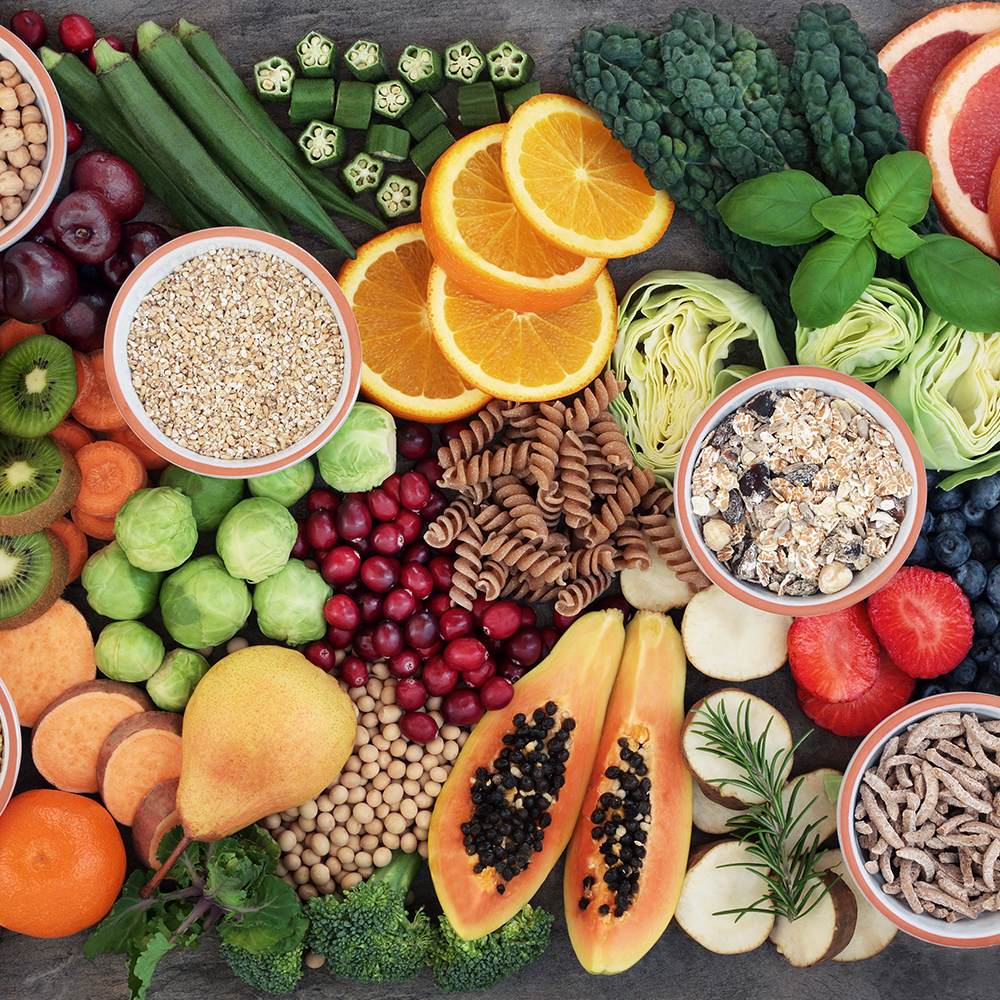
Rather than focusing on quick fixes or ‘hacks’, it’s often the basics that make the biggest difference. “Fibre – particularly soluble or viscous fibre found in foods like oats, barley, beans, lentils, apples and pears – helps slow digestion and the absorption of carbohydrates,” says Dr Mughal. “This can lead to a steadier rise in blood sugar after meals.”
Protein plays a different but equally important role. “It tends to help you feel fuller for longer compared to carbohydrates and fats, which can support appetite control,” she explains.
It’s also important to remember that not all carbohydrates affect the body in the same way. Factors such as fibre content, processing, portion size and what the carbohydrate is eaten with all influence the blood sugar response.

Who needs to pay closer attention to blood sugar?
While most people without a metabolic condition don’t need to worry about everyday fluctuations, some groups do need to be more mindful. “This includes people with type 1 diabetes, where the body cannot make insulin, as well as those with prediabetes or type 2 diabetes, where insulin resistance is a key feature,” says Dr Mughal. “Conditions like PCOS are also often linked with insulin resistance.”
She adds that those with a history of gestational diabetes, excess body weight, or a strong family history of type 2 diabetes may also be at higher risk. If you’re unsure, it’s always worth discussing your risk factors with your GP, who can organise tests and further advice if needed.
What about glucose monitors and ‘hacks’?
Continuous glucose monitors (CGMs) are becoming more visible online, often promoted as a way for anyone to ‘optimise’ their health. These are small, wearable sensors that track glucose levels throughout the day and night, making it easier to spot patterns in highs and lows over time.
“Clinically, CGMs are mainly used for people with diabetes, particularly those using insulin,” explains Dr Mughal. “For people without a metabolic condition, they’re usually not necessary.” Because blood glucose naturally fluctuates throughout the day, constant monitoring can sometimes create unnecessary worry.
“For most people without a relevant medical history, focusing on balanced meals and overall lifestyle habits is far more useful than trying to micromanage every rise and fall,” she says. “Of course, if you do use a CGM, and you notice repeated high or low readings that are difficult to explain or predict, speak to your GP for advice.”

When should you seek medical advice?
Certain symptoms shouldn’t be ignored. “Increased thirst, frequent urination, unexplained weight loss, fatigue, blurred vision, slow-healing wounds or recurrent infections like thrush can all be signs of diabetes,” says Dr Mughal. “If you notice these, it’s important to seek medical advice.”
She also advises speaking to a healthcare professional if you have a relevant medical history, such as a family history of diabetes, previous gestational diabetes, or PCOS, ongoing concerns about blood sugar, or notice repeated abnormal readings. “Blood sugar targets and next steps can vary from person to person, so it’s crucial to speak to your own doctor or diabetes team to get personalised advice,” she says.
Importantly, support is also important if your relationship with food is being affected. “If tracking or online advice is making you feel anxious, restrictive or obsessive around food, it’s worth seeking guidance,” she adds.
Finally, seek urgent medical advice if you have high glucose readings with vomiting, stomach pain, fast breathing, confusion, drowsiness or fruity-smelling breath.
Final thoughts
“Blood sugar regulation is important for overall health, particularly in certain medical contexts,” says Dr Mughal. “For those without a metabolic condition, however, it doesn’t need to be micromanaged.”
Instead, for many people, it can help to return to the fundamentals. “Sustainable fat loss still comes back to the basics – a calorie deficit, balanced meals, enough protein and fibre, regular movement, good sleep, and habits you can maintain in the long term.”
Expert opinion
“Insulin is an important hormone, but it isn’t the whole story when it comes to weight. It helps regulate how the body uses and stores energy, but it doesn’t override calorie balance. Rather than fearing carbohydrates or chasing glucose ‘hacks’, focus on balanced meals, regular movement and habits you can stick with – that’s what really supports long-term health.”
Dr Mughal’s top 5 blood sugar basics
- Build meals around protein and fibre – include foods like eggs, Greek yogurt, beans, lentils, tofu, fish or chicken alongside vegetables, fruits or wholegrains. Protein supports fullness, while fibre helps to slow carbohydrate absorption.
- Don’t fear carbohydrates – choose higher-fibre options more often and pair carbs with protein or healthy fats.
- Move regularly – even short bursts of activity, like a brisk walk after meals, can help support blood sugar control. If you are busy or sedentary, consider exercise ‘snacking’ – short bursts of movement such as a brisk walk, climbing the stairs, or a few squats or jumping jacks.
- Prioritise sleep – poor sleep can affect insulin sensitivity and increase levels of hunger hormones, making blood sugar harder to control the following day.
- Keep it sustainable – small, realistic and consistent habits are far more effective than extreme or restrictive approaches.